
Home » CNC Machining Materials for Custom Parts » Brass CNC Machining Service
Brass CNC Machining Services
Brass CNC machining services for precision components used in electrical, plumbing, electronics, and industrial equipment.
Brass offers excellent machinability, corrosion resistance, and dimensional stability for complex CNC-machined parts.
- Tolerances down to ±0.01 mm
- Excellent machinability (C360 brass reference material)
- Part size up to 1200 × 500 × 300 mm
- Deburring, polishing, and plating available
- Lead times as fast as 3 days
- ISO 9001:2015 certified
Get a Brass CNC Machining Quote
Advantages of Brass CNC Machining
Engineering Advantages of Brass CNC Machining
- Higher cutting speeds
- Lower tool wear
- Reduced deburring time
- Better repeatability in threads
How Brass Reduces Machining Cost
- Higher cutting speeds compared with many metals
- Lower tool wear and longer tool life
- Reduced deburring and post-processing
- Stable threading and fine feature machining
Compared to stainless steel or aluminum, brass allows higher cutting speeds and reduced cycle time.
Brass Grades for CNC Machining
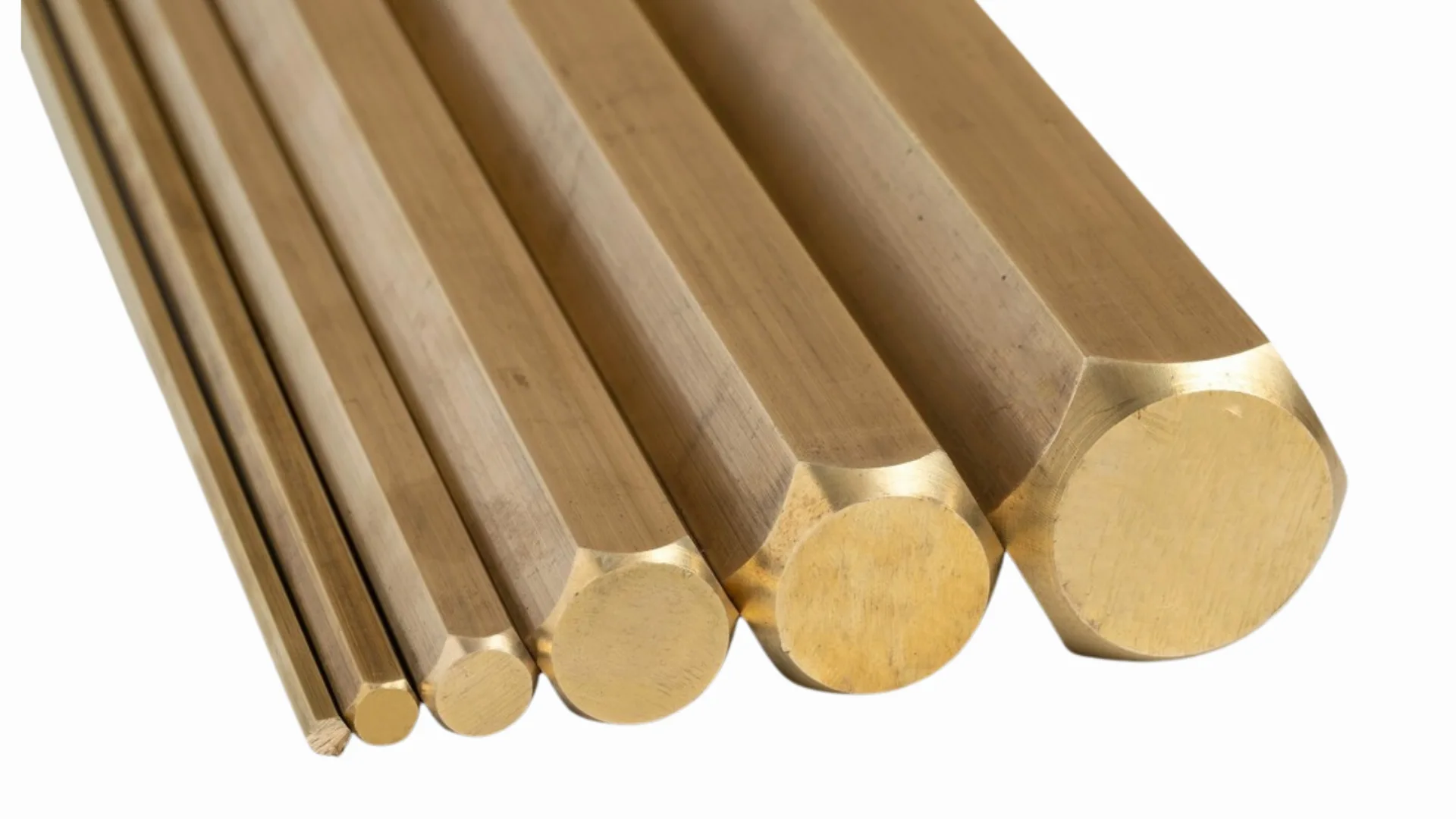
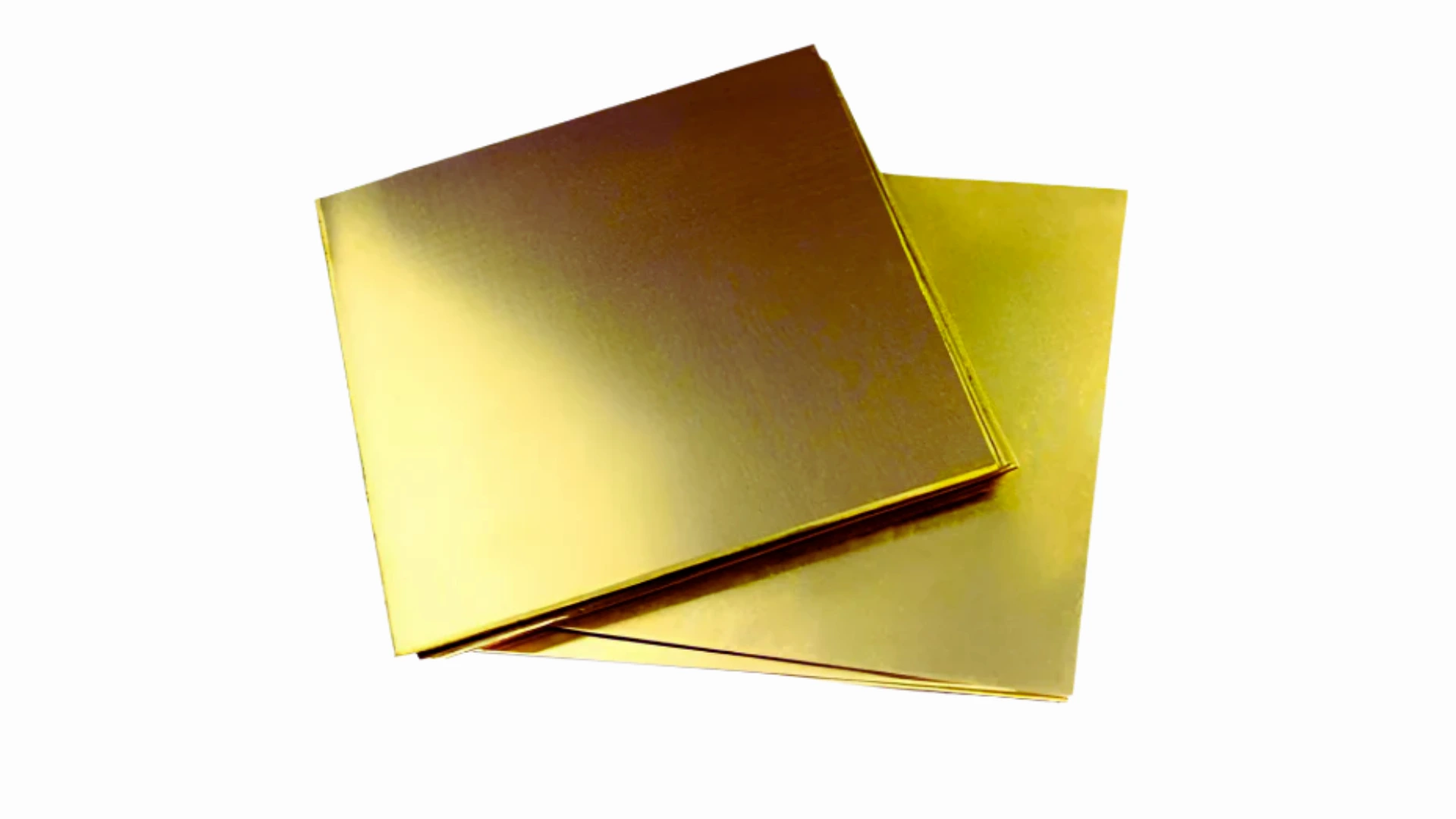
C360 (Free-Cutting Brass)
- Highest machinability (100%)
- Ideal for precision turned parts
- Used for fittings, connectors, valves
C260 (Cartridge Brass)
- Better ductility
- Suitable for forming + machining
- Electrical and structural components
Lead-Free Brass Options
- RoHS-compliant
- Suitable for export and regulated markets
Note: Material properties vary by grade. Our engineering team helps select the right alloy based on strength, corrosion resistance, and machining efficiency
CNC Machining Capabilities for Brass Parts
CNC Turning
- Precision internal and external threads
- High concentricity for turned components
- High-speed machining enabled by brass machinability
CNC Milling
- 3-axis and multi-axis CNC milling
- Complex geometry machining
- Precision slots, pockets, and features
| Capability | Value |
| Standard tolerance | ±0.02 mm |
| Precision tolerance | ±0.01 mm (depending on geometry) |
| Surface roughness | Ra 0.8–1.6 μm |
| Maximum part size | 1200 × 500 × 300 mm |
| Minimum feature size | 0.2 mm |
| Thread standards | Metric, UNC, UNF |
Surface Finishing Options for Brass Parts
- Mechanical polishing (mirror or satin finish)
- Nickel plating or electroless nickel plating
- Chromium plating for decorative or wear resistance
- Gold plating for electrical contacts
Bead blasting for matte surface texture - Protective clear coating for corrosion resistance
Industry Applications
Common Applications of CNC Machined Brass Parts
Electrical & Electronics
- Connectors
- Terminals
- Bus bars
Plumbing & Fluid Systems
- Valves
- Fittings
- Couplings
Automotive & Industrial Equipment
- Bushings
- Gears
- Rollers
Quality Assurance for Brass CNC Machined Parts
- CMM inspection
- Material certification
- Plating thickness inspection
- Surface roughness testing
- DFM analysis before production
Brass CNC Machining FAQs
Is brass good for CNC machining?
Yes. Brass is one of the best metals for CNC machining due to its excellent machinability rating (up to 100% for C360). It allows higher cutting speeds, produces clean chips, and reduces tool wear. This makes brass ideal for high-precision CNC turning and milling operations.
What is the best brass grade for machining?
C360 (free-cutting brass) is generally considered the best grade for CNC machining because of its high lead content and superior chip control.
For applications requiring better ductility or compliance with environmental regulations, C260 or lead-free brass options may be more suitable. Our engineering team helps select the right alloy based on performance and compliance requirements.
What tolerances can brass CNC machining achieve?
Standard brass machining tolerances are typically ±0.02 mm.
For precision applications, tolerances down to ±0.01 mm can be achieved depending on part geometry and size.
Surface finishes of Ra 0.8–1.6 µm are achievable without secondary polishing.
Is brass stronger than aluminum?
Brass generally has higher density and can offer higher strength depending on alloy grade. However, aluminum provides better strength-to-weight ratio.
Brass is preferred when:
- Electrical conductivity is required
- Thread integrity is critical
- Corrosion resistance in fluid systems is needed
Does brass require surface finishing?
Brass can be used in its natural machined state due to its smooth surface finish.
However, plating (nickel, chrome, gold) is often applied for:
- Improved corrosion resistance
- Electrical performance
- Decorative purposes
Plating thickness is considered during tolerance planning to ensure dimensional accuracy.